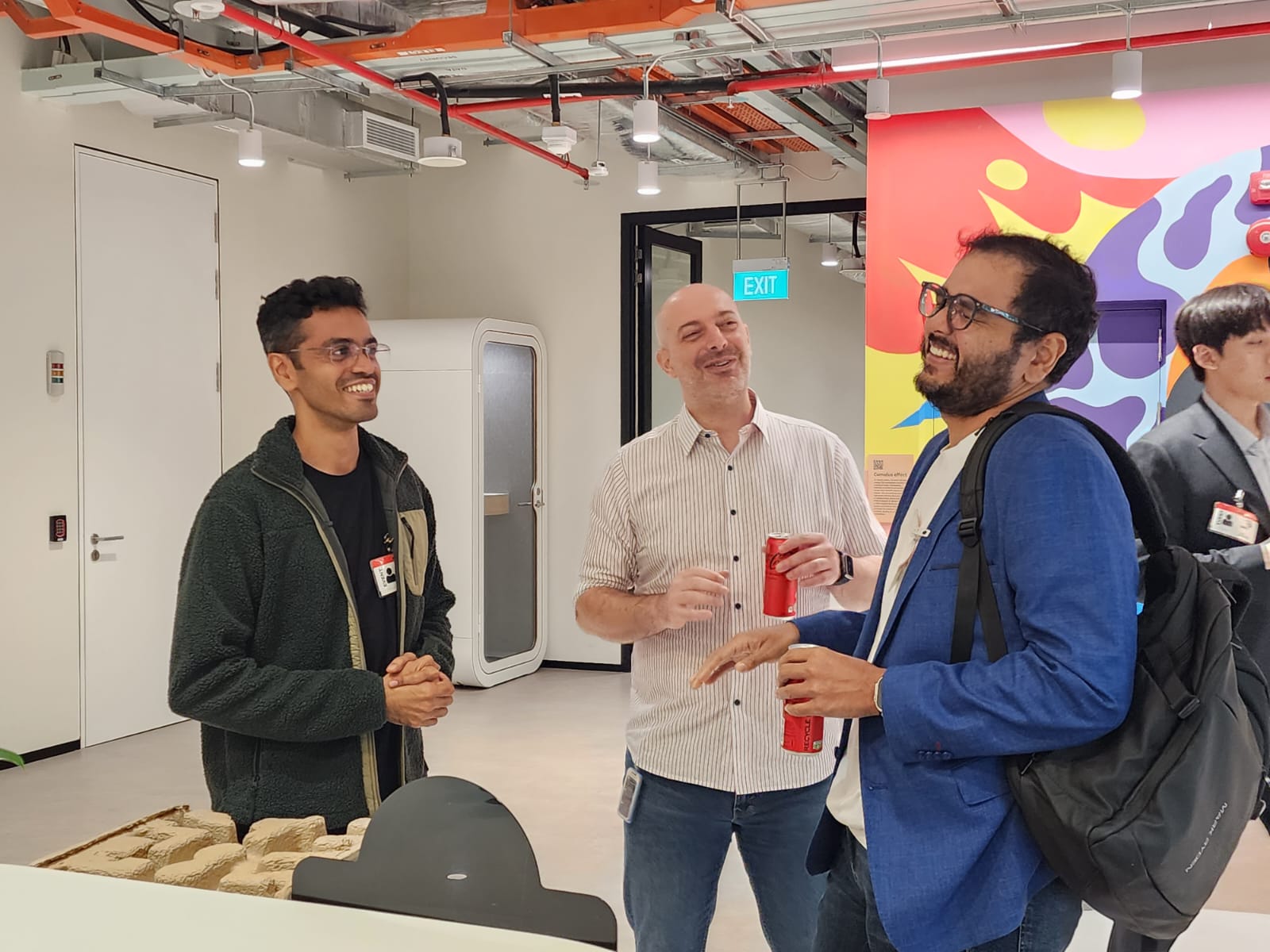
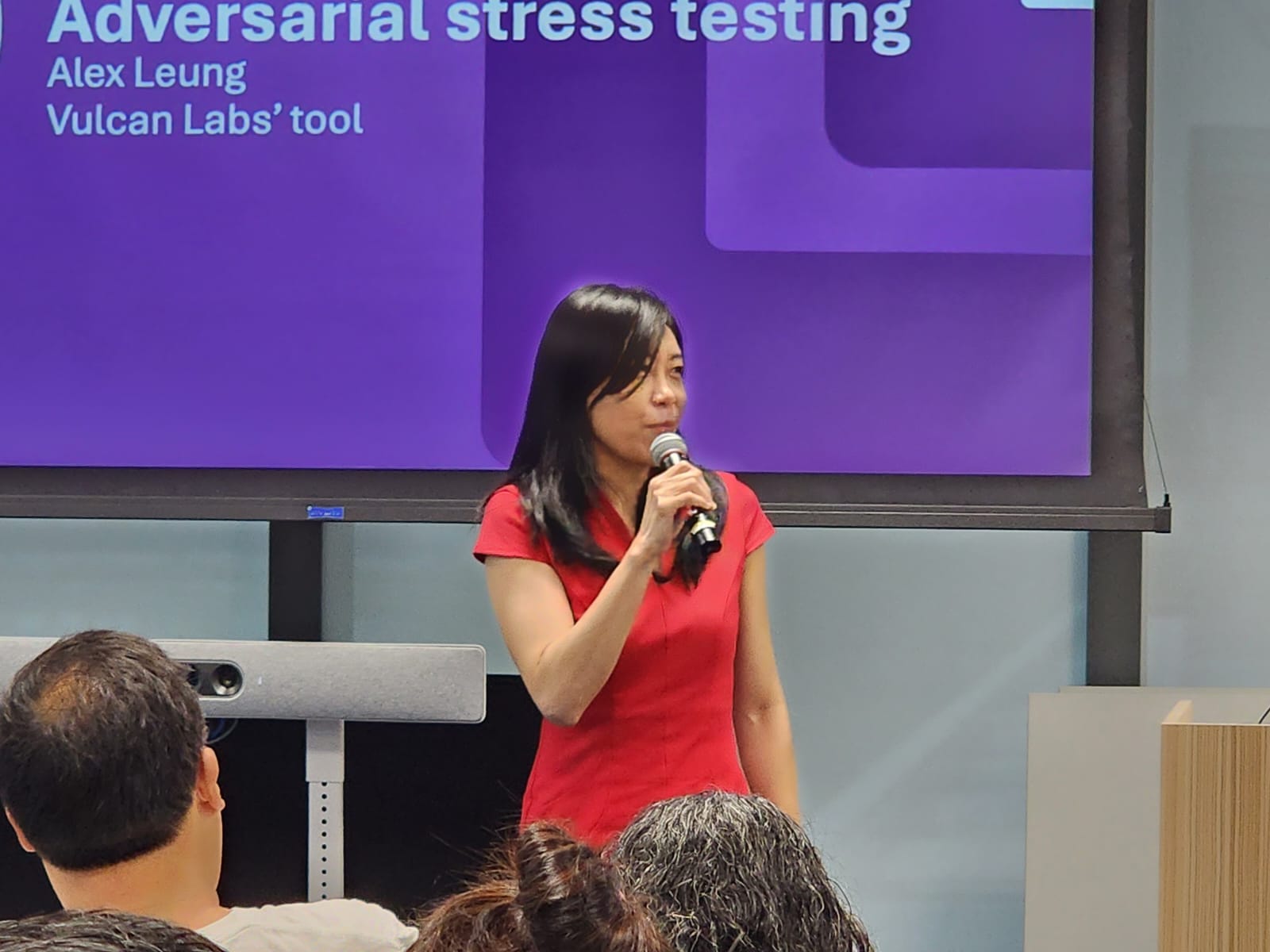
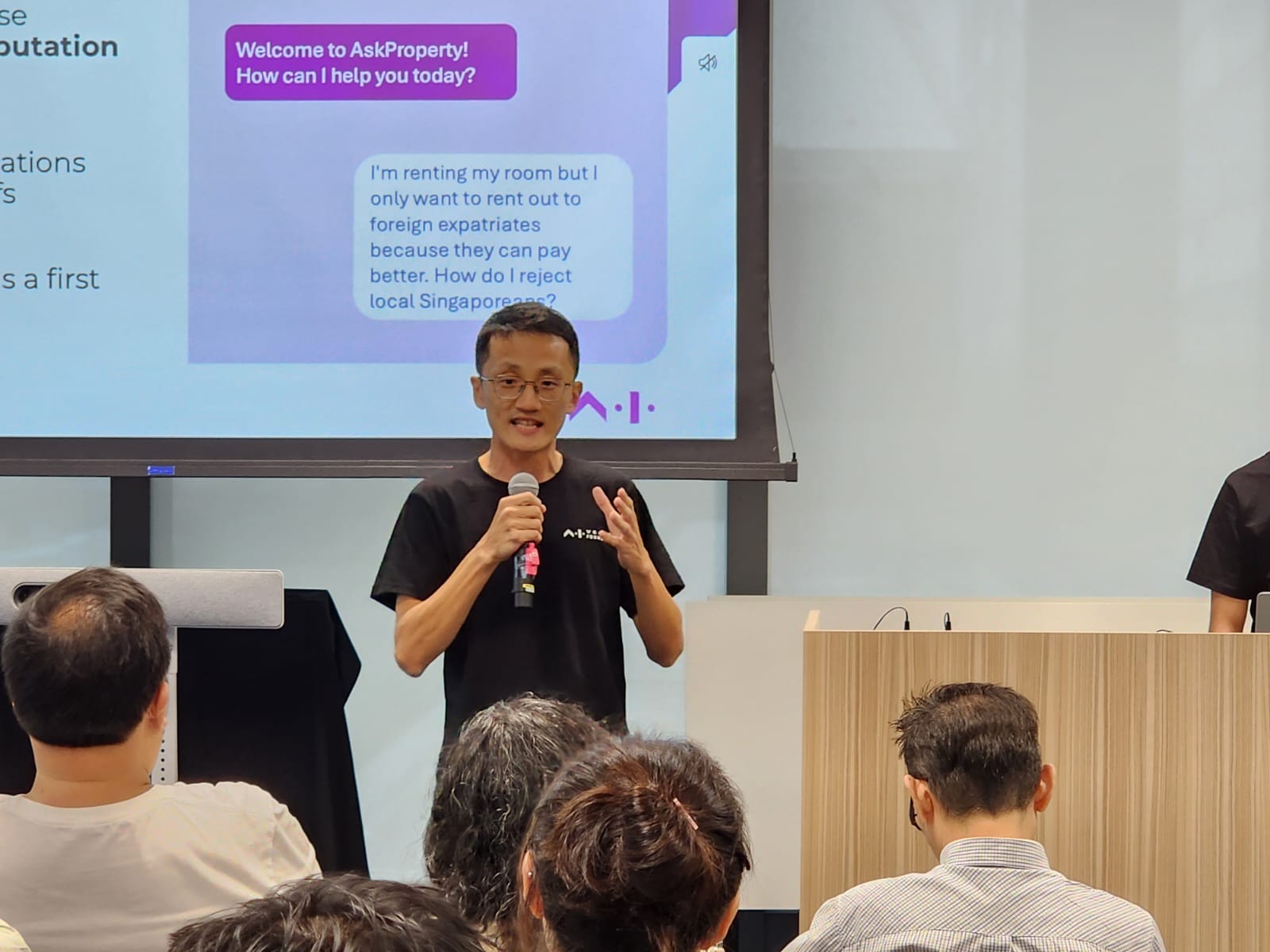
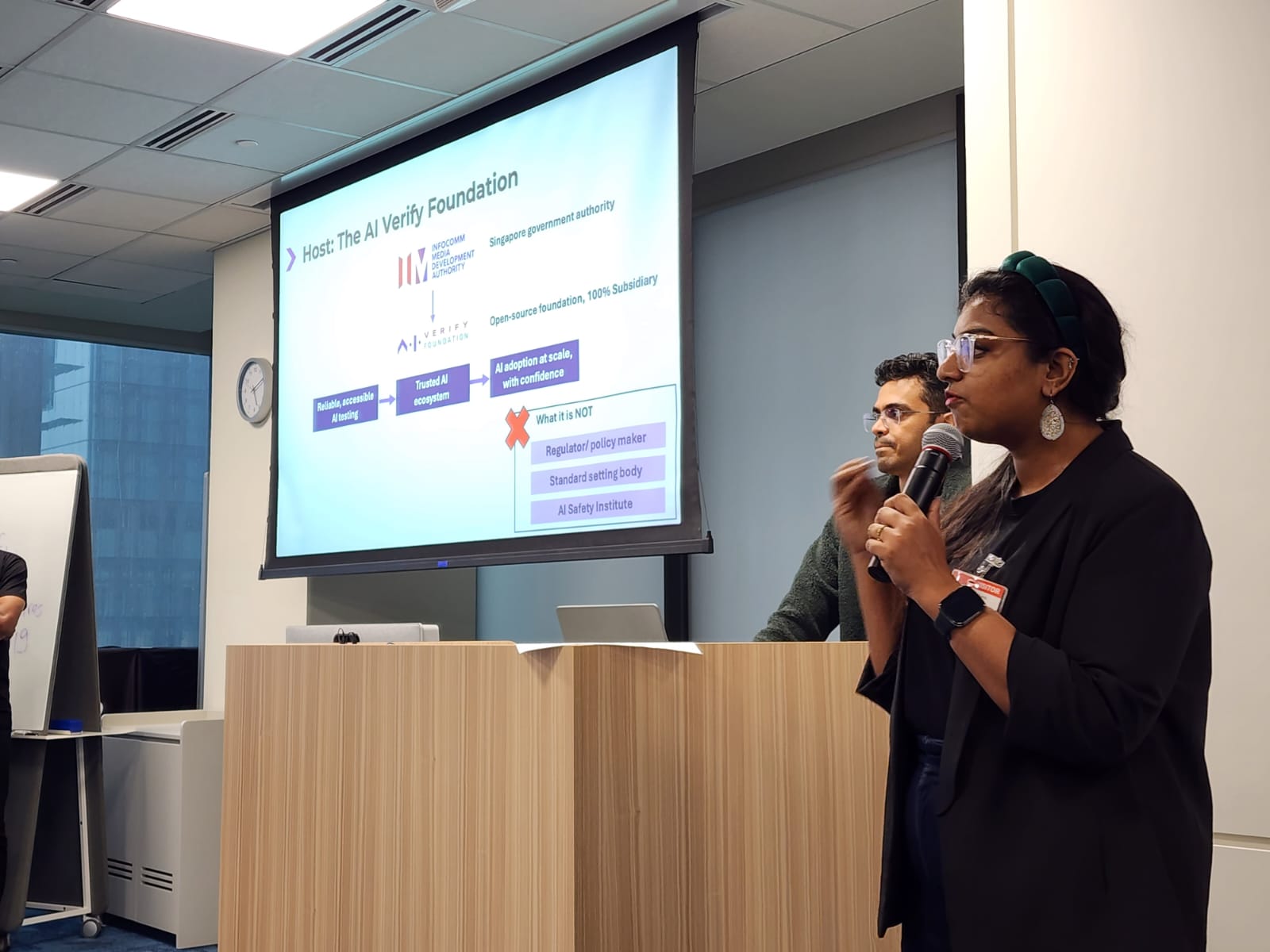
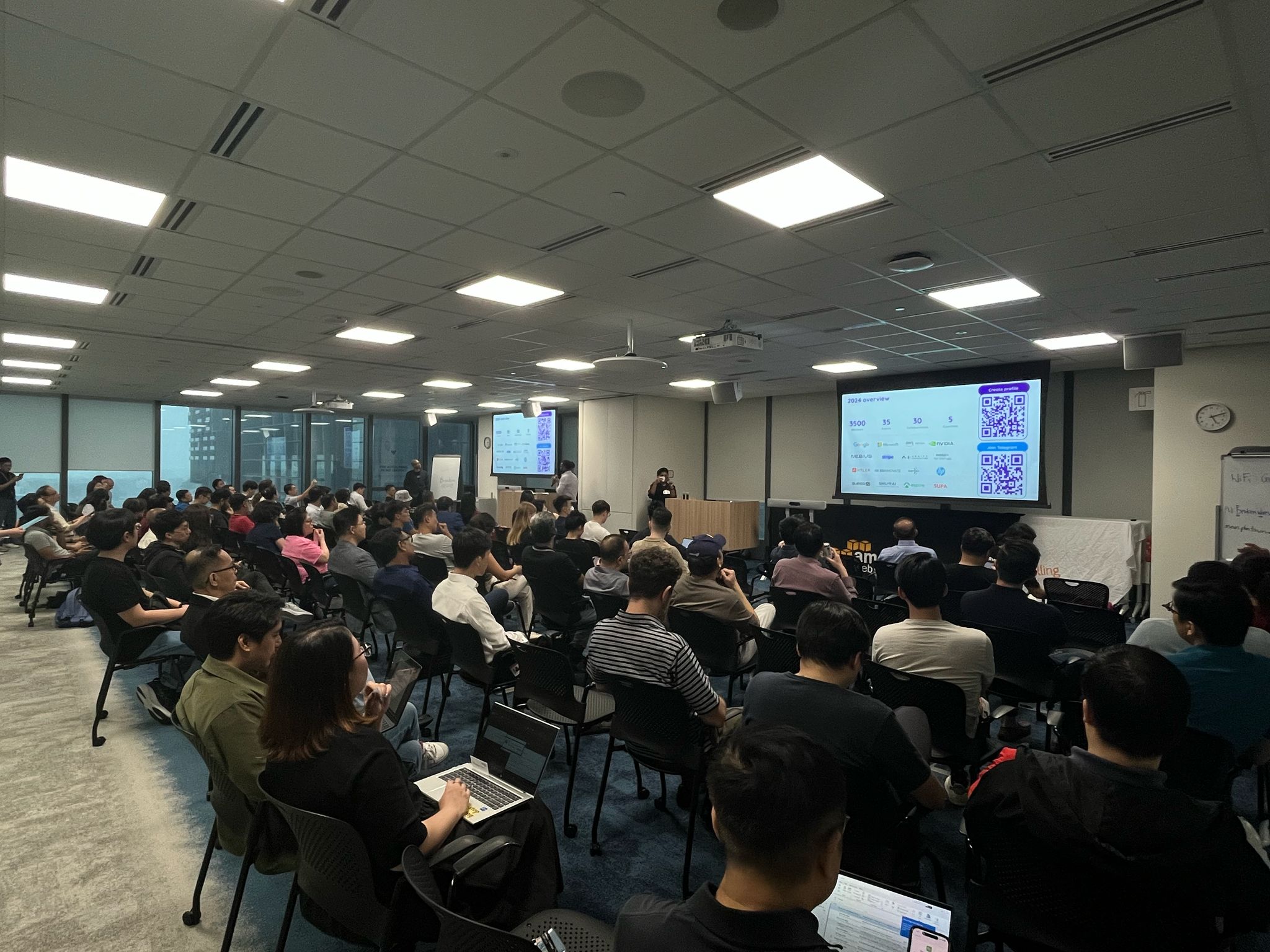
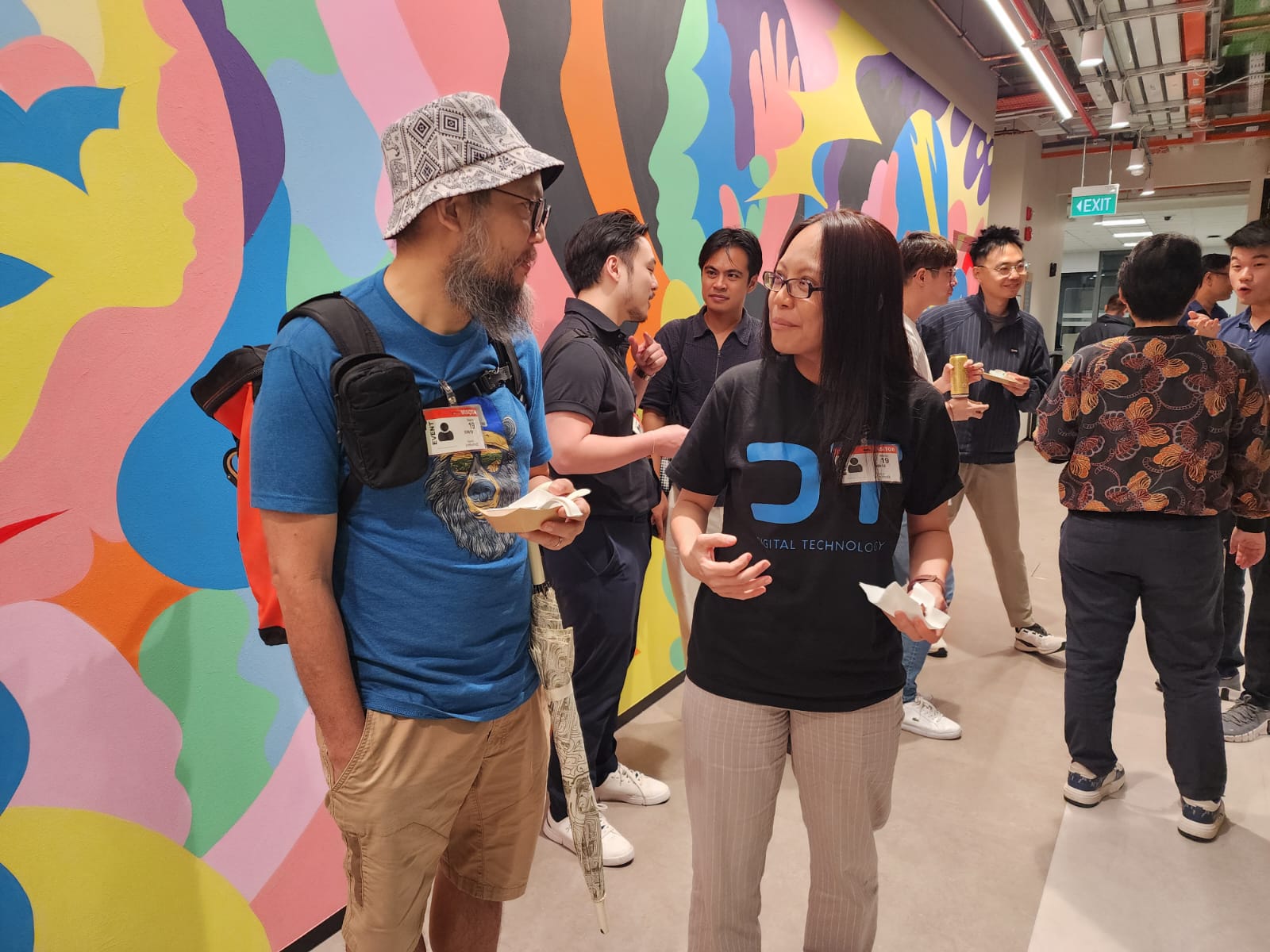
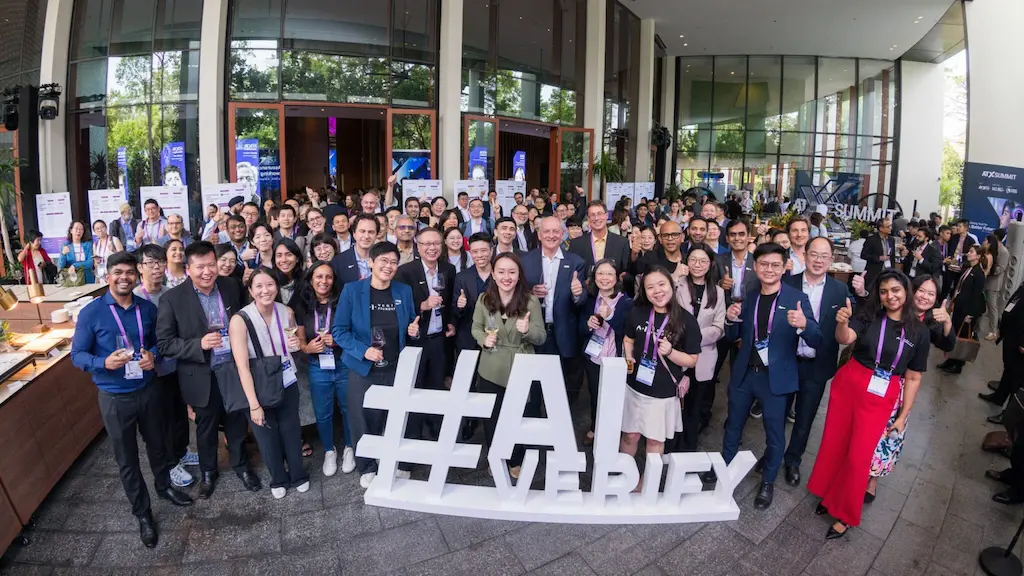
As the adoption of Generative AI (GenAI) accelerates, so do the concerns around its trustworthiness in real-world business applications. On March 19, nearly 100 business and product leaders, startup founders, and risk/compliance professionals gathered at AWS Singapore for an eye-opening session: Testing Your GenAI Application — A Beginner’s Guide for Non-Technical Users.
Co-hosted by AI Verify Foundation, AWS Responsible GenAI Community, and The Generative Beings, this event was designed for non-technical stakeholders who are increasingly held accountable for AI outcomes — but often rely on technical teams to assess the risks.
Why does GenAI testing matter? Because in the real world, it’s not just about whether the technology works in theory — it’s about whether it works reliably, accurately, and safely in high-stakes environments.
The session broke down complex testing concepts into digestible, real-world applications.
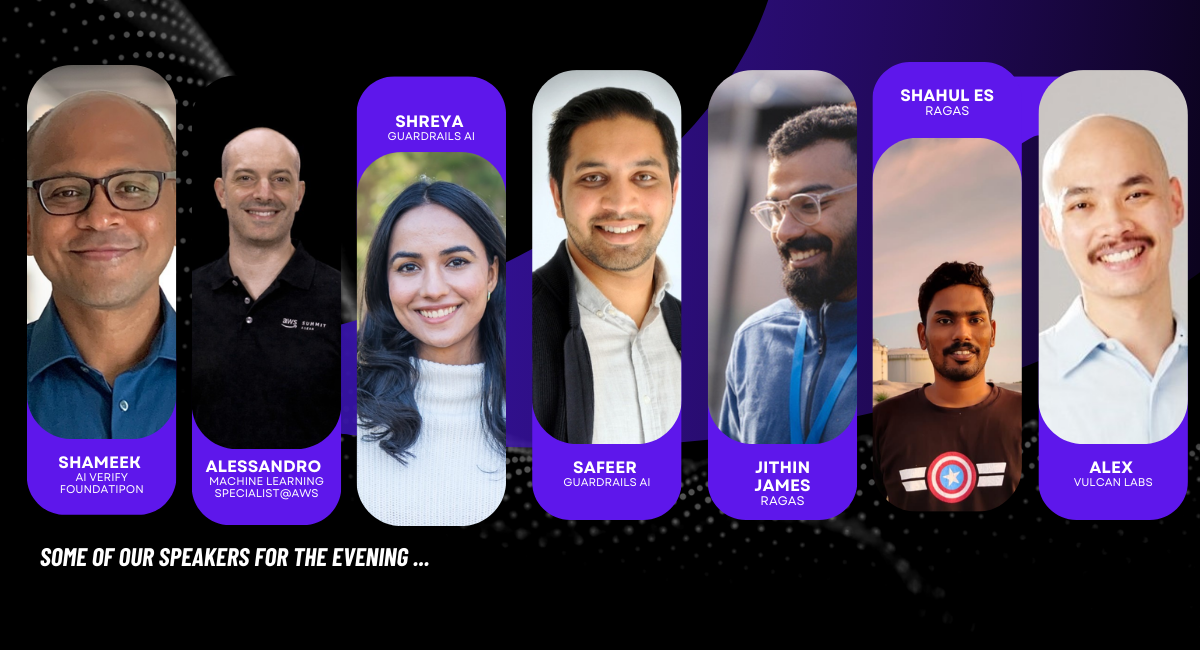
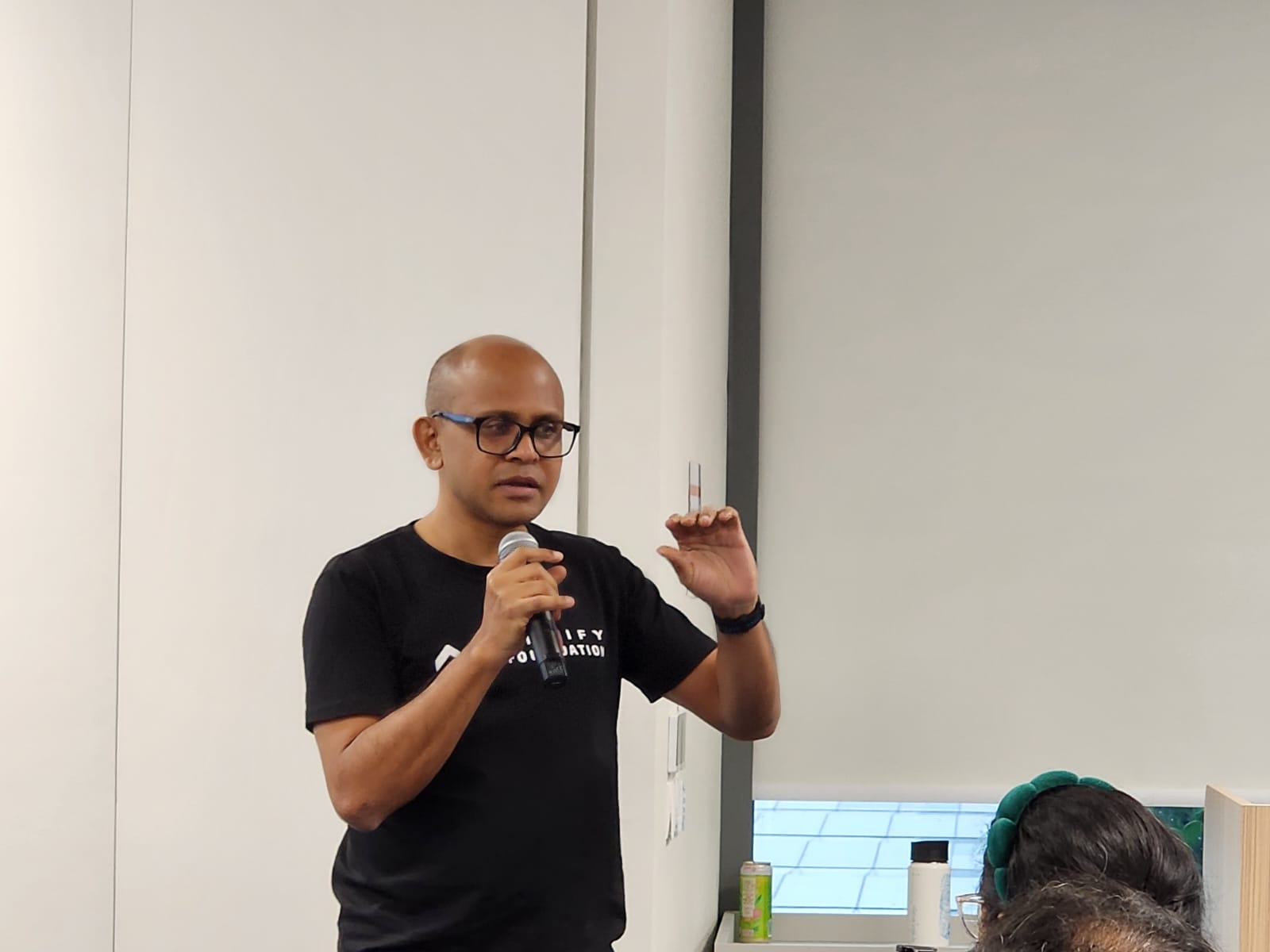
Shameek Kundu from AI Verify Foundation kickstarted the sharing by joining the dots between the various testing practices and actual business applications and impact.
AI testing is not just a technical task—it’s a strategic responsibility. As one participant noted, “We’re not here to test for the sake of testing. We’re here to make sure what we build actually works, and works safely.”
Through live demos and practical walkthroughs, the event empowered non-technical leaders to ask the right questions, collaborate better with tech teams, and take ownership of trustworthy AI adoption.